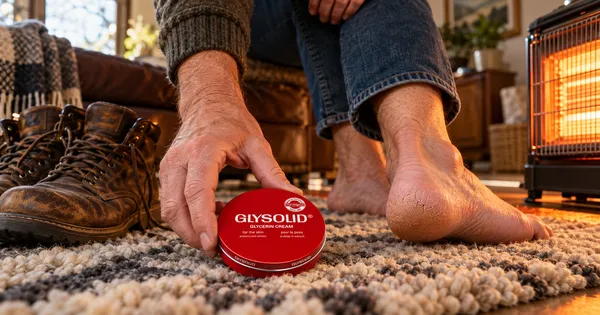
Running chafing and blisters are both caused by friction, moisture and heat, so you stop them by cutting down all three. Wear well fitted, moisture wicking kit and socks, protect hotspots like the inner thighs, underarms and feet before you run, and keep your feet soft and smooth with a glycerin cream on rest days so rough, cracked skin does not start the rubbing. After the run, clean and dry any sore spots and let the skin recover before your next session.
Whether it is your first 5km parkrun or your tenth Comrades, the same basics apply.
What causes chafing when you run?
Chafing happens when skin rubs against skin or fabric thousands of times over. Every stride moves your arms past your body and your thighs past each other. Add sweat, which leaves salt on the skin, and the rubbing turns raw.
The usual spots are the inner thighs, underarms, the line where a sports bra or heart rate strap sits, nipples on men in cotton shirts, and the lower back under a hydration pack. On a hot, humid Durban morning it starts sooner than you expect.
Why do runners get blisters on their feet?
A blister forms when the top layer of skin is rubbed back and forth against the layer underneath until they separate and the gap fills with fluid. Wet socks, badly fitting shoes, seams and long downhills all make it more likely.
Hard, dry skin plays a part too. A thick callus with a rough edge or a crack in the heel catches on your sock and becomes a pressure point. Many runners find that keeping their feet soft and smooth, without removing all the protective hard skin, makes a real difference.
How do you stop chafing before a run?
Start with your kit. Choose fitted, moisture wicking fabrics rather than cotton, which stays wet and heavy. Run shorts with a built in liner or longer compression shorts help protect the inner thighs. Never try new kit on race day.
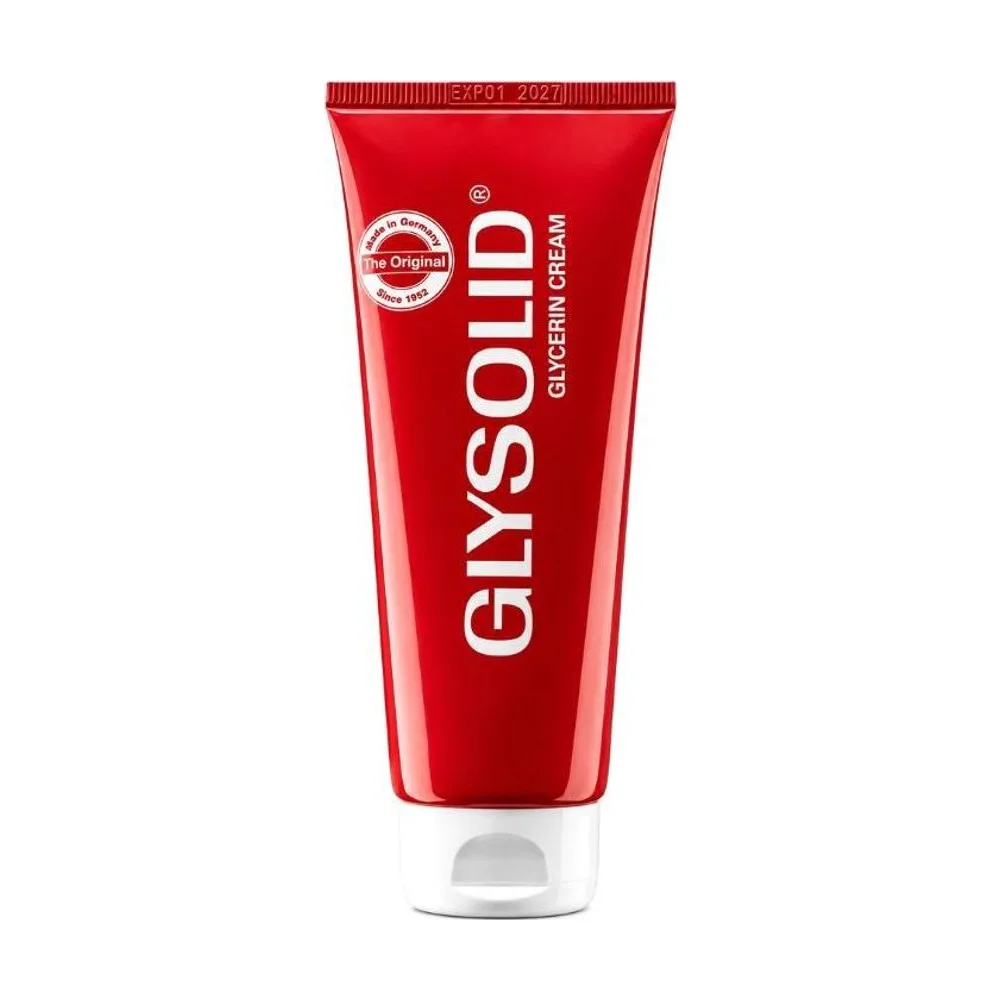
Next, protect the hotspots. Before you head out, apply a thin layer of cream to the places that rub. GLYSOLID Glycerin Cream in a tube combines a high glycerin content with allantoin, an ingredient used in skin care for its soothing and smoothing effect. It forms a protective layer that helps shield skin from harsh heat and cold, and it does not leave an excessively greasy feel. The 30ml tube costs R60 and fits in a running belt pocket, while the 100ml tube at R100 is the better size for the kit bag at home.
Featured product
GLYSOLID Glycerin Cream (Tube)Intensive care for rough, cracked and dry skin.
From R60
Be honest with yourself about distance. On a short run, a thin layer before you start is usually enough. On a marathon or an ultra, cream applied at 5am will not last until the finish. Carry a small tube to reapply along the way, or use a dedicated anti-chafe product for race day and save your glycerin cream for daily skin care.
Finally, keep dry where you can. Take water at the tables, but try not to pour it all over yourself late in a race if your shorts and socks are already rubbing.
How should runners care for their feet day to day?
Your feet carry you every kilometre, so give them a few minutes every night. After your shower, dry them well, including between the toes. Then rub a small amount of glycerin cream into your heels, the balls of your feet and anywhere the skin is rough.
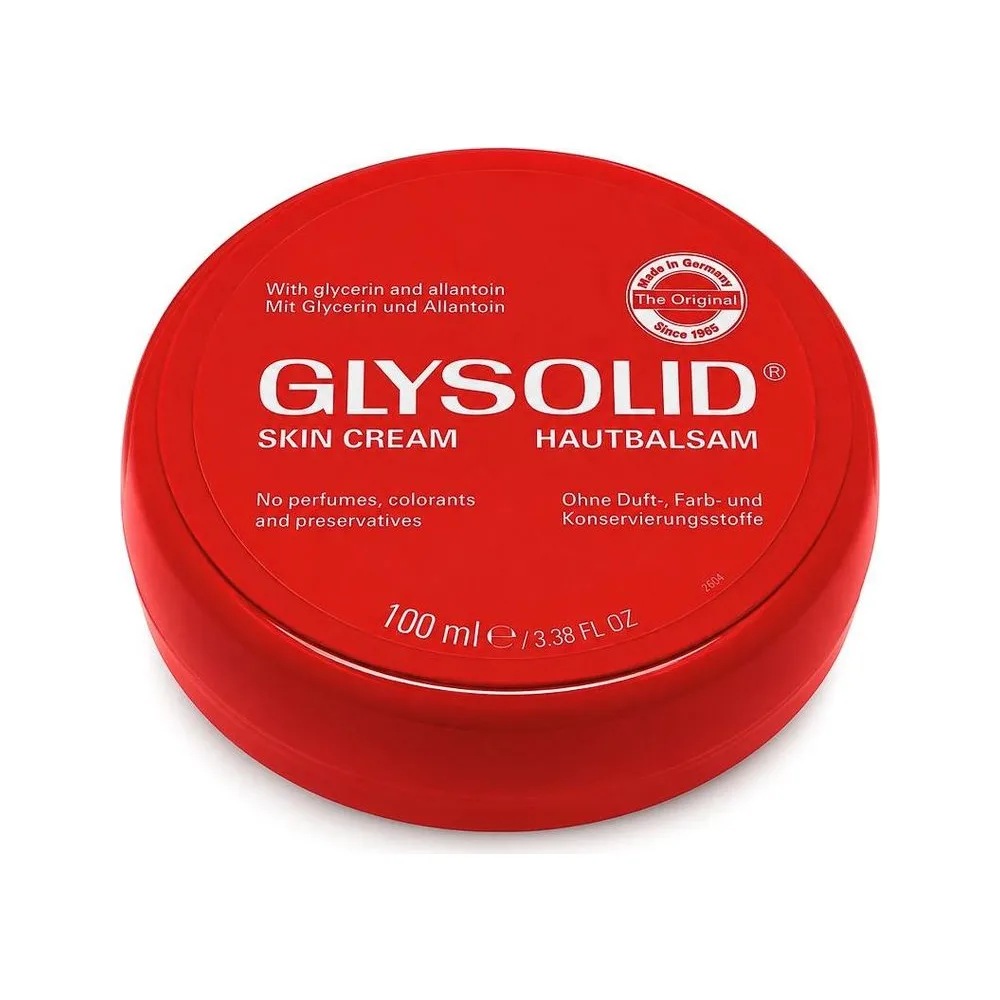
If you prefer a perfume-free option, GLYSOLID Glycerin Skin Cream is made without perfume and has no added fragrances, colourants or preservatives. It has the same pairing of glycerin and allantoin and is made for rough, chapped, cracked and dry skin. It costs R130, and many runners like to keep it next to the bed for this nightly routine.
Featured product
GLYSOLID Glycerin Skin CreamIntensive, perfume-free care for rough, cracked and dry skin.
R130
Use the cream sparingly, a little goes a long way. Moisturise on rest days and in the evening, not straight before a run, so your feet are not slippery inside your shoes.
Keep toenails trimmed straight across and not too short, because long nails hit the front of the shoe on downhills. If your heels are already cracked, our guide on how to fix cracked heels at home explains a simple routine.
How do you care for running chafing and blisters afterwards?
When you get home, shower in lukewarm water and gently wash any chafed areas. Hot water and soap will sting, so keep it short. Pat dry. Leave raw patches open to the air for a while if you can, and wear loose clothes for the rest of the day.
Once the skin has calmed down and is not broken, a thin layer of glycerin cream helps it feel soft and comfortable again. Do not put cream on open wounds.
For blisters, leave small, intact blisters alone. The skin over the top acts as a natural cover. Protect it with a blister plaster or soft dressing. If a blister is large, very painful, has burst, or looks red, hot, swollen or full of pus, see a pharmacist or doctor. Runners with diabetes should have any blister or sore on the feet checked by a professional rather than treating it at home.
How should you prepare your skin for Comrades or Two Oceans?
Big races like Comrades, run between Durban and Pietermaritzburg, and Two Oceans in Cape Town are long days on your feet in very different conditions. Comrades in winter can start cold and finish hot, and Two Oceans brings sea air and sometimes wind on Chapman’s Peak.
In the months before, look after your feet every night so you arrive at the start with smooth, healthy skin. Trim your nails a few days before the race, not the night before, in case you cut one too short.
Plan your race kit and test it on your long runs, socks included. Pack a small tube of cream in your race belt or ask your seconding team to have one ready at a meeting point. Protect every spot that chafed in training before the start.
After the race, rest your skin as well as your legs. Clean and dry your feet, check them properly, and get any bad blisters looked at by the medical team or a pharmacist.
If you also spend time on your feet in the heat for work or at the weekend, our guide for outdoor workers’ hands and feet has more practical tips.
Common questions
What is the best way to stop thigh chafing when running?
Wear fitted, moisture wicking shorts or compression shorts, and apply a thin layer of protective cream to the inner thighs before you run. On long runs, reapply along the way or use a dedicated anti-chafe product.
Can I use glycerin cream on my feet before a run?
A small amount on hotspots is fine, but most runners prefer to moisturise their feet at night and on rest days so their feet are not slippery in their shoes. Regular use keeps rough heels and calluses soft and smooth.
Should I pop a running blister?
It is usually best to leave small, intact blisters alone and protect them with a blister plaster. If a blister is large, very painful or looks infected, see a pharmacist or doctor.
Which GLYSOLID cream fits in a running belt?
The 30ml GLYSOLID Glycerin Cream tube is small enough for most running belts and costs R60. The 100ml tube at R100 suits a kit bag.
Is it normal for runners to have hard skin on their feet?
Yes, some hard skin is normal and helps protect your feet. The problem is when it becomes thick, dry and cracked, because rough edges can catch and cause blisters. Moisturising regularly keeps hard skin smoother and more comfortable.

Written by the GLYSOLID South Africa team
We bring GLYSOLID's German glycerin skin care to South Africa. This article is general skin care advice, not medical advice. If your skin is bleeding, infected or not getting better, please see a pharmacist, clinic or doctor. Questions? Get in touch or WhatsApp us on 065 580 6560.