Heels crack in winter because cold, dry air pulls moisture out of your skin faster than your body can replace it. On the Highveld, winter humidity often drops very low, and heaters, hot baths and long days in closed shoes dry the skin out even more. The thick skin on your heels loses its stretch, and when you walk, it splits. The answer is to moisturise your heels every day with a rich glycerin cream and to cut back on the habits that dry them out.
If you live in Joburg, Pretoria, Bloemfontein or anywhere in the Free State or Mpumalanga, you probably know this feeling well. By July, your heels feel like sandpaper and catch on your socks and sheets. Here is what is going on and what you can do about it.
Why do heels crack in winter more than in summer?
Most of inland South Africa gets its rain in summer. That means winter is the dry season, with clear skies, cold mornings and very little moisture in the air. Dry air acts like a sponge. It draws water out of the top layer of your skin, and the skin on your heels, which has few oil glands to begin with, feels it first.
There is also the temperature swing. A Highveld winter morning can be close to freezing, then warm up nicely by lunch. Skin that keeps going from cold to warm, inside to outside, struggles to hold on to moisture.
At the coast it is a bit different. Durban stays humid most of the year, so heels there tend to crack more from heat and slops than from winter air. Cape Town gets winter rain, but the wind can still dry your skin out. If you are curious how your own city compares, have a look at our post on how city weather affects your skin.
What winter habits make dry heels worse?
Heaters are a big one. A heater or fireplace warms the room but dries the air, and if you sit with your feet close to it every evening, your heels take the full blast. Electric blankets do the same while you sleep.
Hot baths and showers are another. When it is freezing outside, a long, steaming bath is hard to resist. Unfortunately, very hot water strips away the natural oils that help your skin stay soft. Warm water and a shorter wash are kinder to your feet.
Closed shoes and thick socks can also be part of the story. They keep you warm, which is good, but synthetic socks and shoes that do not breathe can leave feet sweaty during the day and then very dry at night. Cotton or wool socks are a better choice. And many of us simply stop looking at our feet in winter. They are hidden in socks and boots, so the cream gets forgotten until the cracks start to hurt.
What can I do about cracked heels in winter?
Make moisturising part of your bedtime routine, like brushing your teeth. Every night, rub a rich cream into your heels, paying attention to the edges and any rough spots, and then pull on a pair of clean cotton socks. In the morning, put on a little more before your shoes go on.
Once or twice a week, soak your feet in warm water for about ten minutes and gently file away some of the hard skin with a pumice stone. Pat dry and moisturise straight away while the skin is still slightly damp. For the full step-by-step version, see our guide on how to fix cracked heels at home.
Choose a cream with glycerin in it. Glycerin, also spelt glycerine, is a humectant, which means it attracts water into the outer layer of the skin and helps keep it there. That is exactly what winter skin is missing.
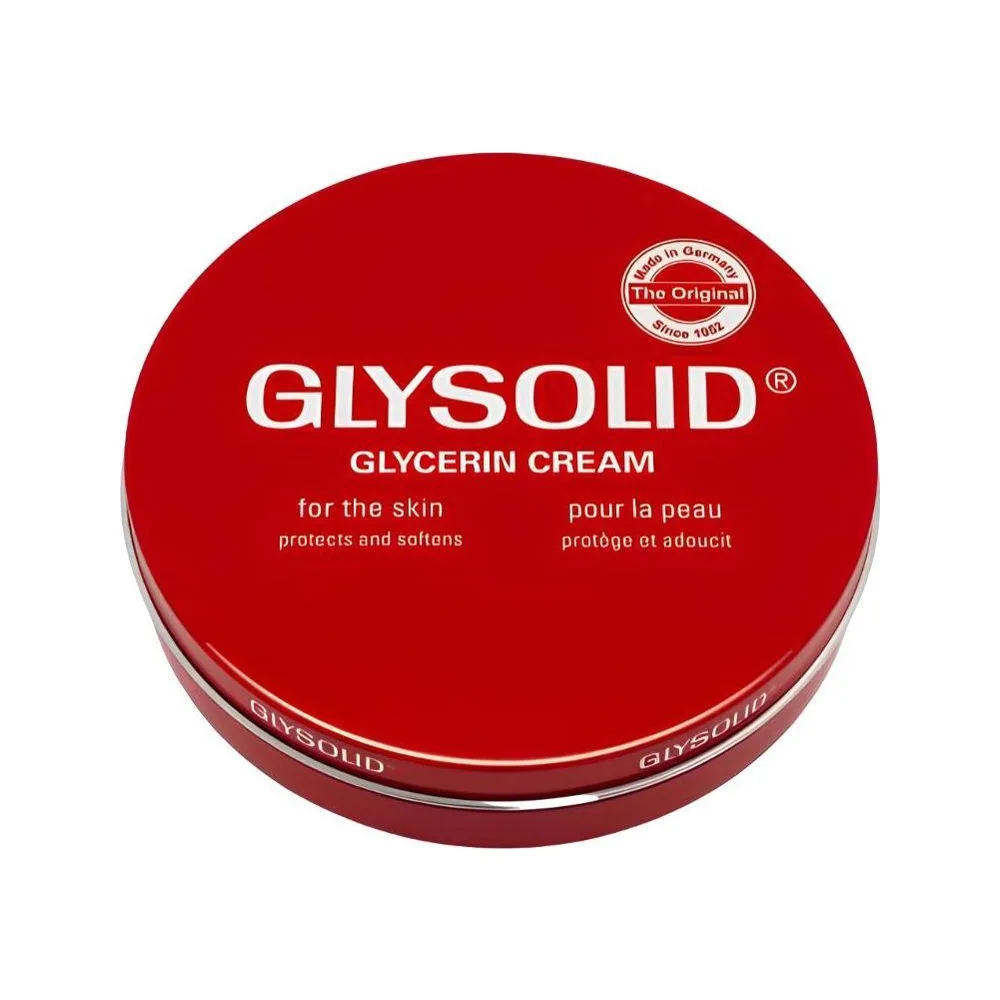
GLYSOLID Glycerin Cream is a good fit for winter heels. It has a high glycerin content with allantoin, and it is made for rough, chapped, cracked and dry skin. It also helps protect skin against harsh cold and heat, which makes it a sensible choice for a Highveld winter. It comes in tins from 60ml at R75 to a 400ml tub at R295, so a big tin can do the whole family through the cold months.
What if my skin is sensitive or I do not want any scent?
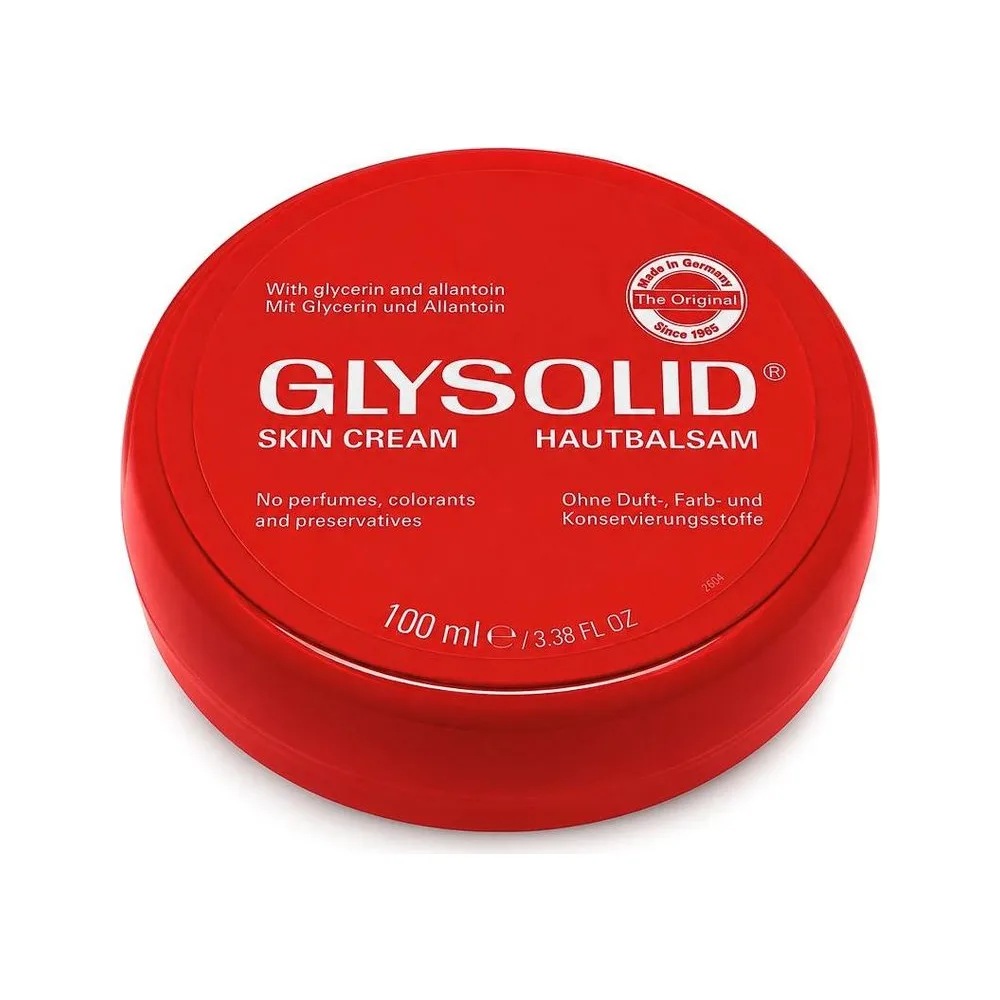
Some people prefer to avoid perfume in their creams altogether. Maybe your skin reacts easily, or you simply do not like a scent on your feet at night. GLYSOLID Glycerin Skin Cream is the perfume-free option. It has a high glycerine content with allantoin, no perfume or added fragrances, and no added colourants or preservatives. It is suitable for all skin types and is described as suitable for people who tend to have skin irritations and allergies.
Featured product
GLYSOLID Glycerin Skin CreamIntensive, perfume-free care for rough, cracked and dry skin.
R130
This cream also forms a protective layer on the skin, which helps shield it from extreme cold, heat and dry weather. It works on hands, elbows and knees too, which is handy because those areas often dry out at the same time as your heels.
Are there other ways to protect my heels in winter?
Yes, a few small changes add up. Keep your feet a little further from the heater. Wear warm socks around the house instead of walking barefoot on cold tiles. If you can, put a bowl of water near the heater or dry washing indoors to add a bit of moisture back to the air.
Drink water during the day, even when you are not thirsty. In winter we tend to drink more tea and coffee and less water. And remember your feet still need care when nobody sees them. A quick check every few days helps you catch dryness before it turns into painful cracks.
When are cracked heels something more serious?
Most winter heel cracks are simply very dry skin. But if a crack is deep, bleeding, very sore, red or warm to the touch, or if you see pus, please see a pharmacist, clinic sister or doctor. If you have diabetes or circulation problems, check your feet every day and get any cracks looked at early, because foot problems can become serious quickly.
Common questions
Why are my heels so dry in winter even though I wear socks?
Socks help, but they cannot stop dry air, heaters and hot water from drawing moisture out of your skin. Synthetic socks can also make feet sweat and then dry out. Moisturise under your socks every night with a glycerin cream for the best result.
Is it better to moisturise heels in the morning or at night?
Both, if you can. Night is the most important time because your feet rest for hours with cream and socks on. A quick layer in the morning helps keep heels comfortable inside your shoes all day.
Can I use the same cream on my heels and hands in winter?
Yes. GLYSOLID Glycerin Cream and GLYSOLID Glycerin Skin Cream are both made for dry areas such as hands, elbows, knees, feet and heels. Keeping one tin by the bed and one by the kitchen sink makes it easy to remember.
Do heaters really dry out your skin?
Yes. Heaters warm the air but lower its moisture, and dry air pulls water from your skin. Sitting with your feet right next to a heater every evening is one of the most common reasons for dry winter heels.

Written by the GLYSOLID South Africa team
We bring GLYSOLID's German glycerin skin care to South Africa. This article is general skin care advice, not medical advice. If your skin is bleeding, infected or not getting better, please see a pharmacist, clinic or doctor. Questions? Get in touch or WhatsApp us on 065 580 6560.